
The clocks go back on Sunday. Your body clock does not.
Oct 20, 2026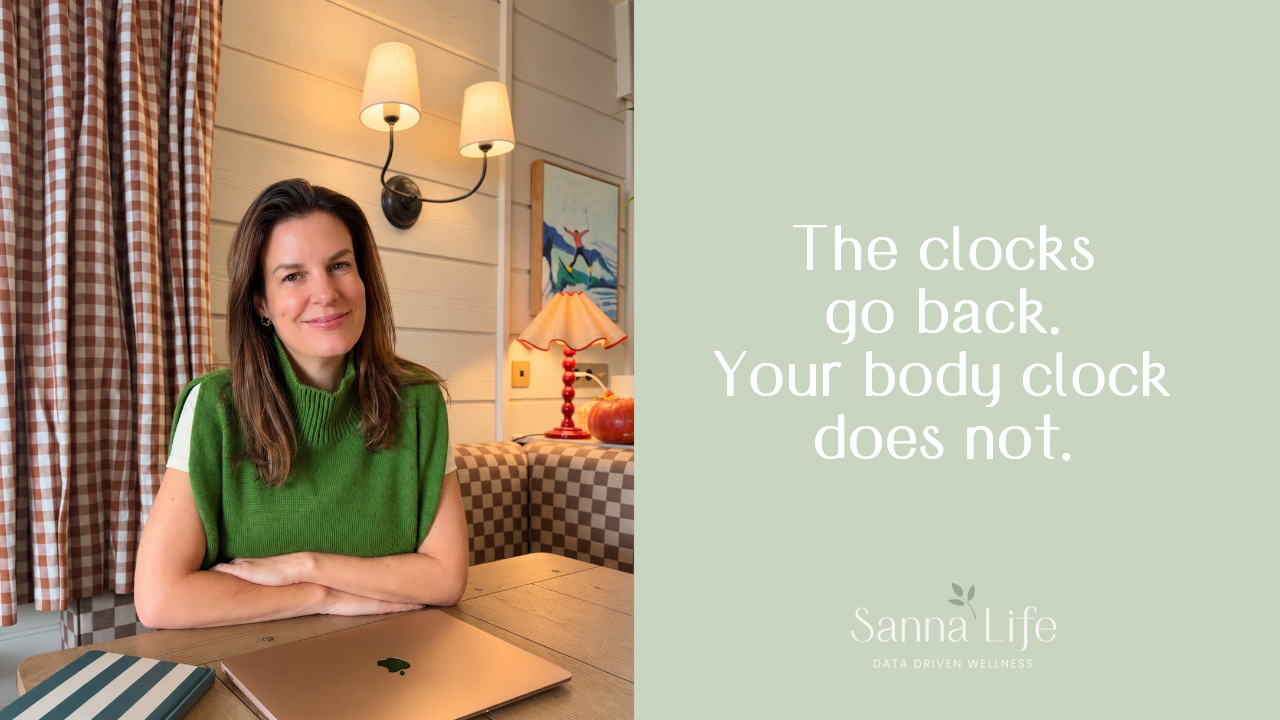
At 3am on Sunday 25 October, the clocks in Switzerland go back an hour. In theory, that is an extra hour in bed.
In practice, most people do not get it. A University of Bristol study tracked the sleep of nearly 11,800 people wearing activity monitors through the clock changes. On the night the clocks went back, people slept about 33 minutes longer, not a full hour, and the effect was short-lived. Older participants actually slept less on the weekdays that followed.
The clock change is the small part
The body copes with the autumn change more easily than the spring one. A study of sleep before and after both transitions found far less disruption in autumn, because the body clock adjusts more easily to a later schedule than an earlier one.
The bigger shift is the season itself. Evenings darken early, and the brighter mornings the change brings do not last long into winter. That is where your cortisol rhythm comes in.
Cortisol runs on light
Cortisol is meant to peak in the early morning, then fall steadily through the day to its lowest point around midnight. That morning peak is what gets you up and going.
Light is one of the strongest signals that sets it. A systematic review found that bright light in the early morning raises cortisol significantly compared with dim light. In one study, light after waking pushed the morning cortisol rise around 35 per cent higher, while the same light in the evening had no effect at all.
When the rhythm flattens
Fewer bright mornings means a weaker signal. When the curve flattens or shifts, it can show up as mornings where you struggle to get going, a heavy mid-afternoon slump, or a second wind just as you should be winding down.
These are exactly the patterns a cortisol curve is designed to reveal. Wired but tired is not a personality trait. It is often a rhythm that has lost its timing.
Working with the season, not against it
- Get daylight early. Step outside within the first hour of waking, every day, including grey ones.
- Eat with your rhythm. Start with a high-protein breakfast, make midday your main meal and keep dinner lighter. This is the timing my programme builds around, because it works with the body's natural rhythm rather than against it.
- Keep evenings calm and dim. Lower the lights and step away from bright screens as bedtime approaches.
- Hold your routine steady. Keep sleep and wake times consistent through the week after the clocks change.
See your own rhythm
A DUTCH test maps your free cortisol at four points across a single day, from waking to bedtime. It shows the actual shape of your curve, not a guess about it.
Then you know whether the season is asking for a small adjustment, or whether your rhythm needs real attention.
Curious what a cortisol curve looks like on paper? Download The Dutch Dozen, my free guide.
Get to know your body.
Sources:
- IamExpat, Daylight Saving Time in Switzerland, 2026 dates
- de Lange MA et al., Journal of Sleep Research, The effects of daylight saving time clock changes on accelerometer-measured sleep duration in the UK Biobank, 2024
- Sleep Review, Will you get an extra hour's sleep this weekend? Probably not
- Effects of transitions into and out of daylight saving time on the quality of the sleep/wake cycle: an actigraphic study
- Life, The Influence of Light Wavelength on Human HPA Axis Rhythms: A Systematic Review, 2023
- Scheer FA and Buijs RM, Journal of Clinical Endocrinology and Metabolism, Light affects morning salivary cortisol in humans, 1999
Stay connected with news and updates!
Join our mailing list to receive the latest news and updates from our team.
We hate SPAM. We will never sell your information, for any reason.
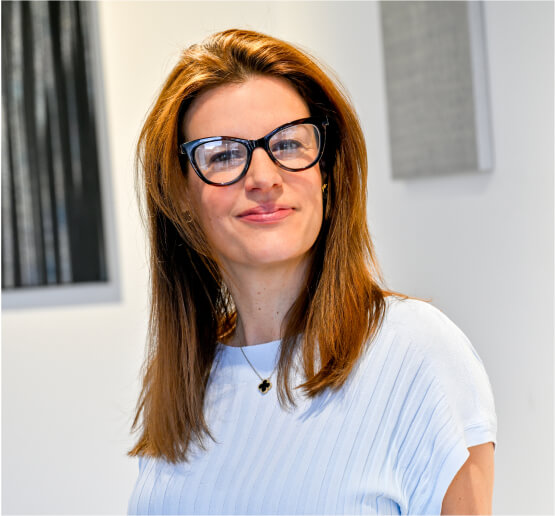
Sanna Leerkes is a Swiss-based Nutritionist and Kinesiology Expert. Her unique blend of nutri-therapy and functional kinesiology is based on personalised, data-driven approach to deeply understand your body and your health needs to get lasting results, fast.