
It might not be stress. It might be your thyroid.
Jul 06, 2026
The fatigue that sleep will not fix. The weight that will not move. The fog that rolls in by mid-afternoon. You have been told it is perimenopause. It might be the one gland nobody thought to check.
Here is what rarely gets said in a ten-minute appointment.
The symptoms of an underactive thyroid and the symptoms of perimenopause are almost the same list. Fatigue, weight gain, brain fog, low mood, cold intolerance, irregular cycles. When a woman in her forties arrives with that picture, the easy assumption is that her reproductive hormones are to blame. The thyroid, sitting quietly at the base of the neck, gets waved past.
The data says it should not be.
Subclinical hypothyroidism, the mild stage where the thyroid is starting to struggle before it fully fails, affects somewhere between 6 and 10 per cent of women in their reproductive years, and the prevalence climbs through the menopause transition. Several perimenopausal cohorts put it closer to 18 per cent. A cross-sectional study of more than 53,000 women found both overt and subclinical hypothyroidism became more common in late perimenopause and after it. The European Menopause and Andropause Society has gone as far as advising clinicians to look for thyroid dysfunction early in the transition, precisely because it hides so well behind menopausal symptoms.
Why does this matter beyond the label?
Untreated thyroid trouble does not just leave you flat. It pushes cholesterol up, it compounds the cardiovascular risk that is already rising as oestrogen falls, and it can deepen the metabolic shifts of midlife, including the weight gain that feels so unfair. Where treatment is warranted, addressing the thyroid can lift the very symptoms that were being blamed on menopause.
I am not saying every tired woman has a thyroid problem. I am saying that "it is probably just your hormones" is not a diagnosis, it is a shrug. The two pictures overlap so completely that you cannot tell them apart by how you feel. You can only separate them by looking properly, at the full hormonal picture rather than a fragment of it.
Picture having a real answer instead of another shrug, and a plan built on what is actually happening in your body rather than on a guess.
That is where it starts. Get to know your body → https://www.sannalife.health/appointment-page
Sources:
- Maturitas / EMAS position statement on thyroid disease and menopause (2024);
- Korean cross-sectional cohort of 53,230 women (Healio, 2022);
- PMC reviews on subclinical hypothyroidism in perimenopausal women.
Stay connected with news and updates!
Join our mailing list to receive the latest news and updates from our team.
We hate SPAM. We will never sell your information, for any reason.
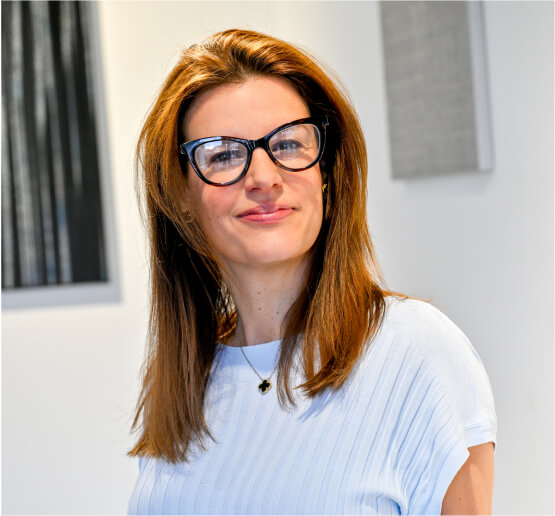
Sanna Leerkes is a Swiss-based Nutritionist and Kinesiology Expert. Her unique blend of nutri-therapy and functional kinesiology is based on personalised, data-driven approach to deeply understand your body and your health needs to get lasting results, fast.