
You are doing everything right. So why do you still feel wrong?
Sep 15, 2026
You are sleeping when you can, eating well most of the week, moving your body, and still not showing up as yourself. The fatigue is not laziness. The mood swings are not a personality change. The version of you that used to run on far less rest is still in there, but something underneath is not adding up.
The one-number problem
This is the point at which most women get one test, get one number back, and are told everything is normal. Oestrogen gets tested because it is the hormone everyone has heard of. Progesterone, testosterone, cortisol and thyroid function rarely get the same attention, even though they all work together rather than in isolation.
A survey of 1,000 women by hormone health company Mira found that around a third of respondents said their symptoms were sometimes dismissed or left unexplained by a doctor, with a further group saying this happened often or always. That gap between what a woman feels and what a single test confirms is where most of the frustration in this process actually lives.
Your hormones are a team, not a solo act
Think of your hormones as a table with several legs. One leg being sturdy does not mean the table stands steady if the others are uneven. A normal oestrogen reading does not rule out low progesterone. Balanced thyroid function does not rule out a cortisol pattern that is quietly wearing you down. Testing one hormone and calling the picture complete is how so many women end up with a normal result and a body that still does not feel right.
What two to five appointments actually costs you
A 2025 survey by UK law firm Higgs LLP reported that as many as one in three women may be misdiagnosed regarding menopause and its associated symptoms, and that reaching a correct diagnosis often takes between two and five separate medical appointments. Each of those appointments is time, money and energy spent circling the answer rather than reaching it.
What a full panel actually shows
A full hormone panel looks at the system as a whole rather than a single data point. It shows how your hormones interact, where the imbalance actually sits, and what it would take to bring the whole picture back into range, not just the one number someone happened to check.
The picture I see every week
Over nine years working with women through this exact pattern, the story is almost always the same. Not one broken hormone, but several quietly out of sync with each other, and a full picture that finally explains what a single test never could.
You do not need another guess. You need the full picture.
Get to know your body.
Sources:
Stay connected with news and updates!
Join our mailing list to receive the latest news and updates from our team.
We hate SPAM. We will never sell your information, for any reason.
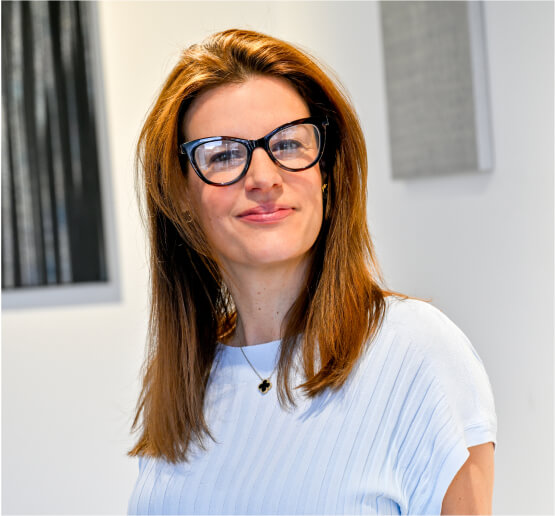
Sanna Leerkes is a Swiss-based Nutritionist and Kinesiology Expert. Her unique blend of nutri-therapy and functional kinesiology is based on personalised, data-driven approach to deeply understand your body and your health needs to get lasting results, fast.